



Section 01Steel Entry Doors

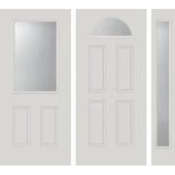
Pease 6-Panel Steel Entry Door Slab
Steel doors are built around an insulated foam core wrapped in a 24- or 22-gauge steel skin. They're the workhorse of the entry-door world: strong, secure, and surprisingly affordable.
What you'll pay at Pease
Our 6-panel steel entry door slab is priced at $407 — the lowest entry point in our exterior door lineup. Steel slabs pair with a separate prehung framing assembly ($299–$561) to build a complete system, which keeps total cost competitive with other materials.
Strengths
- Resists warping, cracking, and shrinking
- The hardest material for an intruder to kick in — recommended by insurance and security pros
- Foam-core construction delivers genuine energy efficiency
Trade-offs
Steel can dent, and dents are harder to repair than scratches in wood or fiberglass. In direct sun and salty coastal air, steel can rust where the finish is damaged. It also conducts temperature, so the interior surface can feel cold in winter even when the door itself is well insulated.
Section 02Fiberglass Entry Doors

Pease Smooth Fiberglass 6-Panel Entry Door Slab
Fiberglass doors use a molded composite skin over an insulated core. The technology has come a long way — today's premium fiberglass can mimic the grain of oak, mahogany, or fir convincingly enough that most visitors won't know it isn't wood.
What you'll pay at Pease
Fiberglass slabs run from $399 for a smooth flush slab up to about $879 for premium configurations, with popular options like the smooth 6-panel slab ($509 on sale, regularly $699) and the mahogany-grain 6-panel slab at $599. Complete prehung fiberglass systems — slab, frame, hinges, threshold, and weatherstripping — start around $1,081.
Strengths
- The most energy-efficient of the three materials, with the best insulating values pound for pound
- Most ENERGY STAR certified entry doors use fiberglass or insulated steel construction
- Won't rust, rot, warp, or dent
- Handles humidity, salt air, and intense sun better than steel or wood
- Almost zero maintenance — no repainting, no resealing
Trade-offs
The upfront price is higher than steel. Cheaper fiberglass doors can look plasticky up close, so it's worth stepping up to a textured or wood-grain finish if curb appeal matters to you.
Section 03Mahogany Entry Doors

Pease Brazilian Mahogany 6-Panel Entry Door Slab
A solid wood door is still the gold standard for craftsmanship and curb appeal. There's a reason architects and historic-home owners keep coming back to it: nothing else looks, feels, or sounds quite like real wood.
What you'll pay at Pease
Our hand-crafted Brazilian Mahogany slabs start at $999 for the solid 6-panel slab, with glass configurations from $1,599 (the 3/4 glass 6 lite, on sale from $2,000) up to $3,249 for the 2-panel premium slab. Complete prehung mahogany systems ship fully assembled and prefinished, ranging from about $2,499 to $3,247.
Strengths
- Beauty and character no synthetic material has fully matched
- Easy to refinish and customize
- Improves a home's curb appeal — and often its appraised value
Trade-offs
Wood is the highest-maintenance material on this list. Without a deep overhang, it needs to be re-stained or repainted every few years to prevent warping, cracking, and rot. It's also the least energy-efficient of the three and the most expensive to own over a 20-year horizon.
Section 04Side-by-Side Comparison
| Factor | Steel | Fiberglass | Mahogany |
|---|---|---|---|
| Pease slab price | $407 | $399 – $879 | $999 – $3,249 |
| Pease prehung system | $407 + $299–$561 frame | $1,081+ | $2,499 – $3,247 |
| Energy efficiency | Good | Best | Fair |
| Security | Best | Very good | Good |
| Maintenance | Low | Lowest | High |
| Lifespan | 25–30 yrs | 30+ yrs | 20–100 yrs (with care) |
| Best climate | Mild, sheltered | All climates | Sheltered, dry |
Section 05How to Decide
Ask yourself three questions:
1. How exposed is your entryway?
If your door takes direct sun, rain, or salt air, fiberglass is almost always the right call. If it's protected by a porch or overhang, all three materials are on the table.
2. How long do you plan to stay in the home?
Over 10+ years, fiberglass usually wins on total cost of ownership thanks to zero refinishing. Steel is the best short-term value. Mahogany is an investment in how the home looks and feels, not in saving money.
3. What matters more — security or curb appeal?
Steel is the toughest. Mahogany is the most beautiful. Fiberglass is the closest thing to having both.
Pick Steel If…
You want maximum security and the lowest entry price, and your door is protected from direct weather exposure.
Pick Fiberglass If…
You want the best long-term value, the highest energy efficiency, and a door that needs almost no maintenance — in any climate.
Pick Mahogany If…
Curb appeal and craftsmanship are the priority, your entryway is sheltered, and you don't mind seasonal upkeep.
Section 06The Pease Doors Difference
Most door brands make you call a dealer or fill out a form just to find out what a door costs. We don't. Every Pease door — steel, fiberglass, or mahogany — has a real price on the page, plus a configurator that lets you build the door you want, see it, and order it directly from us. No middlemen, no markups, no guessing.