


SKU: SE-FSH-2479-SFG-WBD

Hurricane-Rated Fiberglass Entry Door - Flush (24" x 80")

Regular price $550.00

20 Year Ltd. Warranty full policy

Check width, height, and depth. Smartfit Measuring Guide

Slab Size
Surface Texture: White Satin Smooth

Built to order in 4-6 weeks

Ships freight on a pallet shipping policy

30 Day Return Policy (except if modified) return policy

Description

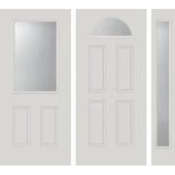
Hurricane-Rated Fiberglass Door with Flush Design

The Flush hurricane-rated fiberglass entry door features a smooth, flat surface without molded panel detailing for a clean and modern appearance, built with impact-rated construction designed for coastal and hurricane-prone regions. Built to meet HVHZ and wind-borne debris requirements with Premium Build fiberglass construction for lasting durability. This door features a Satin Smooth (white) surface texture optimized for painted finishes.

Flush Design

The Flush design features a smooth, uninterrupted surface that delivers a clean, modern appearance suited for contemporary and transitional homes. Its simple, streamlined look allows the door to blend seamlessly with a wide range of architectural styles while creating a refined and uncluttered entry.

The flat, unembossed surface provides maximum flexibility for glass and pet door cutouts, allowing openings to be positioned without the constraints of panel borders or molding profiles. Doors without glass provide maximum privacy and enhanced security, making flush doors an excellent choice for front entries, side doors, garages, and service entrances where visibility control is important.

On flush doors with a common (nominal) width of 36" or wider, the panel layout inherently provides a bottom rail height that meets ADA accessibility requirements (10" minimum) without any modification to the standard door design. When installed in a frame that provides a minimum 32" clear opening width (measured from the face of the door to the frame stop with the door open to 90 degrees), these doors can support ADA-compliant accessible openings without the need to order a separate ADA-specific panel configuration. Always verify project requirements with applicable building codes and accessibility standards to ensure full compliance.

Key Measurements

Key Measurements & Sizing Information

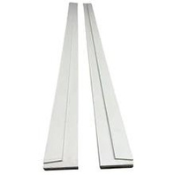
This sidelite is sold as a nominal 24" x 80" size, which is also commonly written as 2/0 x 6/8. The actual sidelite slab size is 23-3/4" wide x 79" tall, with a standard exterior thickness of 1-3/4". Sidelites are typically installed alongside a door slab of the same height to create a wider entry system.

If purchasing with jambs to assemble a door and sidelite unit: this sidelite typically pairs with 81-3/4" leg jambs for inswing thresholds and saddle-style outswing thresholds. For bumper-style outswing thresholds, the matching leg jambs are 80-3/4". When assembled with a door slab of the same height, the sidelite and door share the same overall unit height.

If replacing an existing sidelite panel: a 79" sidelite height is the most common size and is often compatible with existing frames even when the original panel measures 79-1/8" or 79-1/4" tall. If your existing sidelite measures taller than 79-1/4", we also offer select oversize trimmable sidelites designed to accommodate slightly larger openings.

Construction & Materials

Hurricane Impact-Rated Construction: Built for Severe Weather Protection

Hurricane impact-rated fiberglass doors are engineered to withstand extreme weather conditions, including hurricane-force winds and flying debris. These doors are built using reinforced components and tested assemblies designed to meet strict building code requirements in coastal and hurricane-prone regions.

The fiberglass skins resist warping, rotting, denting, and rusting, while full-length 4" LVL (laminated veneer lumber) side stiles on both sides of the door provide the structural integrity required to maintain performance under extreme wind loads and debris impact. A high-density insulated foam core contributes to energy efficiency and overall rigidity. When properly installed as part of an approved system, impact-rated doors help protect the building envelope by reducing the risk of structural damage, wind intrusion, and pressure failure during severe storms.

Reversible Lock Prep: No Wrong Side

Because the 4" LVL stiles run full-length on both sides of the door, hardware can be bored into either stile with equal structural support. This eliminates one of the most common installation errors, boring hardware on the wrong side, and gives buyers full flexibility on door handing. DIY homeowners get peace of mind during installation, and contractors avoid costly rework on the jobsite.

HVHZ and Wind-Borne Debris Ratings

High Velocity Hurricane Zone (HVHZ) rated door systems are tested to meet some of the most demanding hurricane performance standards in the United States. These systems are evaluated using TAS 201, TAS 202, and TAS 203 testing protocols, which simulate real-world storm conditions including flying debris impact and repeated positive and negative pressure cycling. Products that meet HVHZ requirements are approved for use in high-risk hurricane regions such as Miami-Dade and Broward counties.

Wind-Borne Debris (WBD) rated door systems are designed to meet impact resistance requirements in designated coastal regions where hurricane-force winds and airborne debris are expected. Selecting the correct rating depends on your project location and local building code requirements. Always verify requirements with your local building authority before selecting an impact-rated door system.

Many impact-rated configurations achieve structural performance levels suitable for design pressures up to approximately DP65 for 6'8" doors and DP50 for 8'0" doors, depending on configuration and installation method.

Where Hurricane Impact-Rated Doors Are Commonly Required

Hurricane-rated doors are commonly required in regions where building codes mandate impact-resistant construction. Typical applications include:

  • Homes located in designated wind-borne debris regions
  • Coastal residential construction
  • New construction projects in hurricane-prone areas
  • Replacement projects requiring code-compliant upgrades
  • High Velocity Hurricane Zone (HVHZ) locations such as South Florida

Complete System Performance

Hurricane-rated performance depends on the complete door system, including the door slab, frame components, glazing system, and installation method. All components must be installed in accordance with approved engineering and product approval requirements to achieve rated performance.

Finishing

Surface Texture and Recommended Finish for Smooth Fiberglass Doors

This door features a Satin Smooth (white) surface with a fine linear texture and subtle vertical lines, similar to a woven linen or brushed fabric. This micro-texture provides built-in surface tooth that helps primer and paint adhere without the need for heavy sanding, reduces the visibility of brush marks and roller lines, and helps prevent runs and drips on vertical surfaces.

Before finishing, clean all door surfaces to remove dust, oils, and handling residue, then allow the surface to fully dry. For best results, we recommend using a high-quality bonding primer such as Sherwin-Williams Extreme Bond Primer, followed by a premium exterior-grade acrylic latex paint.

All six sides of the door must be finished, including the front, back, top, bottom, and both edges, to properly protect the door and maintain warranty coverage. When selecting paint colors, lighter to medium shades are typically recommended for doors exposed to direct sunlight, as very dark colors can increase surface temperatures and reduce long-term finish performance.

Fiberglass doors are shipped unfinished or factory-primed depending on selected options. Finishing should be completed promptly after delivery and before prolonged exposure to weather.

Installation

Installation Readiness for Fiberglass Door Slabs

Fiberglass door slabs are designed for installation into existing door frames or for assembly into new prehung units. Before installation, verify that the slab dimensions (width, height, and thickness) match the existing slab for replacements, or the jamb set for new assemblies.

When replacing an existing slab, the original door can often be used as a template. Align the existing door on top of the new slab to transfer hinge locations and hardware positions for accurate placement.

Minor trimming of fiberglass door slabs may be possible depending on the door construction, but allowable trimming limits should always be verified before cutting. Excessive trimming may affect performance or warranty coverage.

Fiberglass door slabs are heavy and should be handled by two or more people during installation. Always support the door evenly to prevent damage to corners or edges.

Complete all recommended finishing steps promptly after installation to protect the door surface and maintain long-term performance.

For complete step-by-step installation instructions, refer to the full installation guide available in the Resources section below.